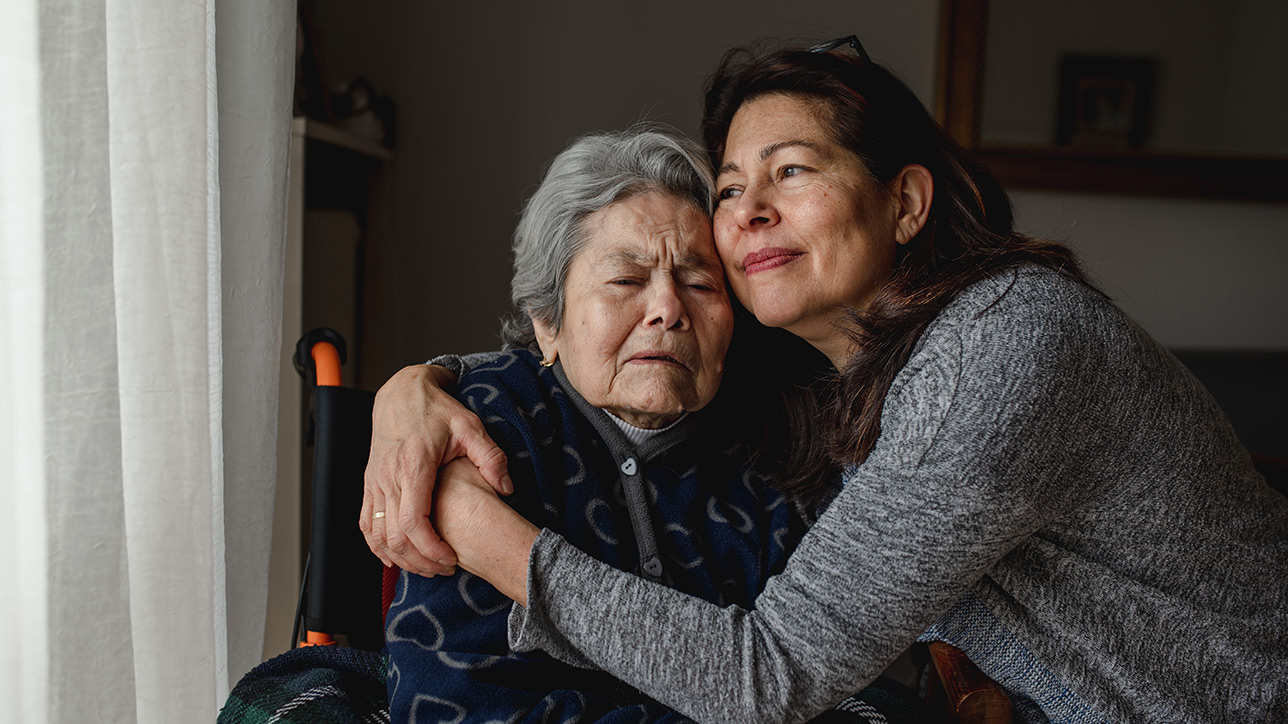
Aging comes with challenges and responsibilities, one of which may be caring for the person who once cared for you. When the adults in your life experience dementia, they often seem to revert to some childlike ways, such as requiring constant reassurance, having intense emotional reactions, and needing help with basic self-care.
Caring for a parent, or anyone with dementia, is a journey filled with love, challenges, and profound change. It’s a role that requires immense patience, flexibility, and the ability to set limits, along with the need to ask for help. If you are on this path, please know that you are not alone!
Dementia caregiving is far more common and demanding than many people realize. Millions of adults in the U.S. provide unpaid care for a loved one with dementia, often while managing jobs, families, and their own health. Research indicates that dementia caregivers often experience greater stress, depressive symptoms, and caregiver burden than other caregivers, reflecting the intensive and sustained emotional, cognitive, and physical demands of the role.1
While there is no comprehensive list that fully addresses everyone’s needs, here are a few guidelines to help you navigate this important and often difficult stage of life.
1. Establish a Consistent Routine
Familiarity brings comfort and reduces anxiety for someone with dementia. Try to maintain consistent times for waking, meals, and bedtime when possible, while allowing flexibility when needed. A predictable daily rhythm, even more than a strict schedule, can help your loved one feel secure.
- Aim for roughly the same times each day, not perfection.
- Keep daily activities in the same order, even if timing shifts slightly.
- Use visual cues (calendars, clocks, labeled drawers).
- Build in “buffer time” to reduce rushing, which can increase agitation.
- Expect routines to evolve as the disease progresses — flexibility is part of consistency.

2. Communicate with Kindness and Simplicity
Keep your sentences clear, short, and positive. As dementia progresses, the ability to process complex language and logic often declines, making emotional tone and clarity more important than accuracy.2 Avoid arguing or reasoning, as logic is no longer accessible in the same way. Communication strategies for dementia are most effective when they prioritize reassurance, calm, and connection.
- Use simple, concrete language and speak slowly, allowing extra time for processing.
- Ask one question or make one request at a time to reduce cognitive overload.
- Offer choices instead of open-ended questions.
- Respond to emotions rather than correcting facts, especially if the correction may cause distress.
- Maintain a calm tone, gentle facial expression, and relaxed body language, even when the conversation feels repetitive or challenging.
3. Create a Safe and Calming Environment
Dementia can affect spatial awareness and judgment. A familiar, thoughtfully adapted environment can reduce anxiety, prevent injuries, and support a greater sense of independence.3 Small changes to the home can make a meaningful difference in daily safety and comfort.
- Remove tripping hazards such as loose rugs, cluttered walkways, or exposed cords.
- Install grab bars and non-slip mats, particularly in bathrooms and near stairs.
- Ensure consistent, adequate lighting to reduce shadows that may cause confusion or fear.
- Secure medications, cleaning supplies, sharp objects, and potentially dangerous tools.
- Reduce background noise and visual clutter, which can feel overstimulating or disorienting.
- Use clear labels, contrasting colors, and familiar objects to support orientation and ease of navigation.
4. Embrace Moments of Connection
When caregiving feels overwhelming, it can help to shift focus from what has been lost to what is still possible in the present moment. Even as memory and language change, emotional awareness and the capacity for connection often remain.
- Engage in activities that feel familiar and meaningful to your loved one, especially those that connect to their long-held interests, routines, or sense of identity. What matters most is not the activity itself, but the sense of comfort, engagement, and emotional connection it provides.
- Offer simple, repetitive tasks like folding laundry, sorting items, or setting the table. Having “a job” can support dignity and a sense of usefulness.
- Lean into nonverbal connection, including gentle touch, eye contact, shared silence, or simply sitting together.
- Release expectations about outcomes, remembering that emotional connection matters more than memory or performance.
5. Prioritize Your Own Well-being
You can’t pour from an empty cup. Caring for someone with dementia is emotionally and physically demanding, and caregiver burnout is both common and well-documented. Supporting your own well-being is not selfish, it is essential to sustaining care over time.
- Ask for help early and consistently, whether from family members, friends, or professional caregivers.
- Explore respite care options, even if only for short or occasional breaks.
- Consider therapy or caregiver support groups to reduce isolation and emotional strain.
- Schedule small, regular moments of rest or enjoyment, rather than waiting until you feel depleted.
- Watch for signs of caregiver burnout, including chronic exhaustion, irritability, sleep disturbances, anxiety, or withdrawal.

Be kind to yourself, celebrate small victories, and never hesitate to reach out for the support you deserve. While this time in your life may seem like the most difficult, there is no question that while caregiving for someone with dementia presents immense challenges, many report experiencing significant emotional benefits and profound “gifts” from the journey, such as feeling valued, needed, and an undeniable sense of purpose.
Caregiving is often described as the purest, most selfless expression of love, deepening connection and relationship. As the relationship evolves, you may discover new nonverbal ways to connect, such as listening to music, gentle touch, shared walks, or simply being present. Many find joy in “living for the moment” with their loved one. Along with personal growth and expanded perspective, these are just a few of the many realizations that accompany caring for someone with neurodegenerative illness.
1Deli, D., Tsouvelas, G., Roukas, D., & Mentis, M. (2025). A systematic review of depressive and anxiety symptoms in caregivers of dementia patients.Psychiatriki, 36(1), 72-80. https://pubmed.ncbi.nlm.nih.gov/39688606/
2Alzheimer’s Association. (n.d.). Communication and Alzheimer’s. https://www.alz.org/help-support/caregiving/daily-care/communications
3Alzheimer’s Association. (n.d.). Creating a safe home for people with Alzheimer’s disease. https://www.alz.org/help-support/caregiving/safety/home-safety